Introduction
It was while researching the UFC schedule 2026 that I first realized how much my daily discomfort was affecting everything else in my life. I had been sitting at my computer for hours, scrolling through fight cards and upcoming events, when I noticed the familiar ache in my shoulders and the constant need to adjust my clothing. The tension wasn’t just from the excitement of planning which matches to watch—it was something more fundamental, something that had been building for years. I didn’t realize at the time that this moment of awareness would lead me to reconsider something as basic as the foundation garments I wore every single day. The connection between planning for future entertainment and addressing present discomfort seemed unlikely, yet there it was, staring back at me from the screen.
As someone who balances work, social commitments, and personal interests, I’ve always valued items that perform consistently without demanding constant attention. The UFC schedule research represented my love for organized planning and anticipation, qualities that extend to how I approach my wardrobe. Yet here I was, distracted by physical discomfort while trying to focus on something I genuinely enjoyed. This contradiction made me pause and consider what other aspects of my daily routine might need similar examination. The realization that something as simple as undergarments could impact everything from work concentration to leisure activities was both surprising and illuminating.
Real-life Context
My days typically involve moving between home office work, client meetings, and evening social engagements. Like many women, I need clothing that transitions seamlessly between these different environments without requiring multiple changes. The professional settings demand smooth lines under tailored blouses and dresses, while longer work hours necessitate comfort that lasts throughout the day. I often wear fitted clothing for professional presentations and important meetings, where visible bra lines or constant adjustments can undermine confidence and distract from the content being delivered. These practical considerations had become part of my daily calculus, though I rarely gave them conscious thought until discomfort forced the issue.
The research for UFC schedule 2026 events represented one of my personal interests outside work—something I look forward to amidst busy weeks. Planning which fights to watch, coordinating with friends for viewing parties, and anticipating the athletic performances gives me genuine pleasure. Yet even during these leisure activities, I found myself making subtle adjustments to my clothing, pulling at straps that had slipped or repositioning cups that had shifted. These minor interruptions accumulated throughout the day, creating background noise that diminished my enjoyment of both work and personal time. The physical reminders—red marks on shoulders, the need to readjust after sitting for long periods—became patterns I accepted as normal rather than problems to solve.
My wardrobe includes everything from business formal to casual weekend wear, with undergarments needing to work across this spectrum. Certain fabrics and cuts present particular challenges—silk blouses that show every line, knit dresses that cling to the body, structured jackets that require smooth foundations. I had accumulated various bras for different outfits and occasions, yet none provided the consistent comfort and invisible wear I sought across my entire day. The process of changing bras between activities felt inefficient, while wearing the wrong type for a particular outfit created its own set of compromises. This constant negotiation between comfort, appearance, and practicality had become an unexamined part of my routine.
Observation
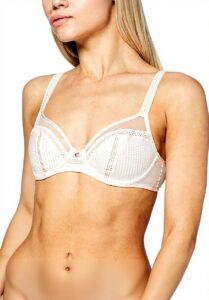
The first thing I noticed was how the memory foam cups adapted to my natural shape without creating the rigid, artificial silhouette I had experienced with other bras. Unlike padded options that maintain their own form regardless of body shape, these cups seemed to respond to movement and position changes throughout the day. When I leaned forward to type at my computer or reached for items on high shelves, the cups moved with me rather than against me. This flexibility became particularly noticeable during longer work sessions, where I might shift between sitting, standing, and moving around my home office. The absence of constant readjustment meant I could maintain focus on tasks without the distraction of physical discomfort.
What surprised me most was the U-shaped back design’s impact on shoulder strain. As someone who carries tension in my upper back and shoulders, I had accepted some degree of discomfort as inevitable, especially during stressful work periods or long days. The wider set straps and U-shaped configuration distributed weight differently than traditional straight-back designs. I noticed the difference most acutely during evening hours, when I would typically feel the day’s accumulation of pressure across my shoulders. Instead, the support felt balanced across my back rather than concentrated at specific points. This distribution became especially valuable during extended computer sessions planning UFC schedule 2026 viewing arrangements with friends, where I might spend hours researching fighters and matchups.
The invisible wear under clothing proved more effective than I anticipated across different fabric types. Under fitted cotton blouses, the bra created smooth lines without visible edges or textures. With silk and satin materials that typically show every seam, the effect was similarly seamless. This consistency across my wardrobe simplified morning decisions and eliminated the need for specific bras for specific outfits. The medium coverage front provided sufficient support while remaining discreet under various necklines—from higher crew necks to more open scoop necks. This versatility meant I could wear the same bra from morning work sessions through evening social events without compromising either comfort or appearance.
The adjustable spaghetti straps offered customization I hadn’t realized I needed. Unlike fixed-length straps that force compromise between support and comfort, the ability to make fine adjustments allowed me to tailor the fit to my exact shoulder shape and posture preferences. I found myself making subtle changes throughout the day—slightly loosening straps during seated work hours for greater comfort, then tightening them slightly before going out for better support during movement. This adaptability responded to my body’s natural changes throughout the day, something fixed straps cannot accommodate. The thin straps themselves remained discreet under various clothing styles while providing sufficient support for daily activities.
Reflection
What struck me most profoundly was how addressing this foundational element of my wardrobe created ripple effects across my daily experience. The reduction in physical discomfort translated into improved mental focus during work hours and greater presence during leisure activities. When watching UFC events with friends, I found myself more engaged in the matches rather than distracted by physical adjustments. The constant background awareness of clothing discomfort had been using mental energy I could now redirect toward more meaningful activities. This connection between physical comfort and mental clarity became increasingly apparent as days passed, making me reconsider how other aspects of my routine might similarly impact overall wellbeing.
I began to notice how the bra’s design principles—adaptation to individual form, balanced weight distribution, seamless integration—reflected broader values I appreciate in well-designed objects. The memory foam’s responsiveness to body shape reminded me of how the best tools and systems adapt to their users rather than forcing users to adapt to them. The U-shaped back’s thoughtful engineering demonstrated how small design changes can create significant comfort improvements. These qualities extended beyond the product itself to represent an approach to design that prioritizes the user’s experience through thoughtful details rather than dramatic innovations. This alignment between product functionality and personal values made the item feel like more than just clothing—it represented a considered approach to daily living.
The experience made me more attentive to how clothing interacts with lifestyle rather than simply serving aesthetic purposes. My previous approach to bras had focused primarily on how they looked under clothing or during specific occasions. Now I considered how they supported my entire day—from early morning work sessions through evening activities. This holistic perspective changed how I evaluated other wardrobe elements as well, considering not just how items look but how they feel throughout varied activities and extended wear. The distinction between clothing that merely covers the body and clothing that actively supports daily life became clearer through this experience, influencing broader choices about what I wear and why.
I reflected on how this small change connected to larger patterns in my life. The UFC schedule 2026 planning that initially highlighted my discomfort now represented my capacity for anticipation and enjoyment of future experiences. The bra that provided consistent comfort throughout these activities supported my ability to fully engage with both planning and experiencing. This interconnection between practical foundations and meaningful experiences underscored how attention to basic needs enables richer engagement with life’s pleasures. The relationship between comfort and enjoyment, between foundation and experience, became more visible through this seemingly minor wardrobe adjustment.
Conclusion
This journey from discomfort awareness to practical solution taught me valuable lessons about how small changes can create significant quality-of-life improvements. The bra’s thoughtful design—from adaptive memory foam cups to shoulder-relieving back construction—addressed needs I had barely articulated to myself. The seamless wear under various clothing types simplified daily decisions while maintaining professional appearance across different settings. Most importantly, the consistent comfort allowed me to focus more completely on activities I value, whether work responsibilities or personal interests like following UFC schedule 2026 developments.
The experience reinforced that well-designed items serve not just practical functions but enhance how we move through our days. The reduction of physical distractions created mental space for more meaningful engagement with both work and leisure. The adaptability to different activities and clothing requirements supported rather than complicated my daily transitions between professional and personal spheres. These benefits extended beyond the product itself to influence how I approach other aspects of my routine, seeking solutions that address root causes rather than merely symptoms of discomfort.
What began as a practical search for better daily comfort became a broader reflection on how foundational elements support overall life quality. The connection between physical ease and mental presence, between practical solutions and enriched experiences, became clearer trough this process. The bra’s design principles—adaptation, balance, integration—now inform how I evaluate other products and systems in my life. This perspective shift, from accepting discomfort to seeking thoughtful solutions, represents the most valuable outcome of this entire experience. The practical comfort the bra provides continues to support my days, while the conceptual insights continue to influence how I approach challenges and opportunities alike.